Creating and practicing with Jack Kornfield's meditations
Adapting the scripts, finding the pacing, and a few reflections in the company of pets.

“These guided meditation scripts are drawn from the heart of the Buddhist contemplative tradition—practices I have taught and refined over more than fifty years.”
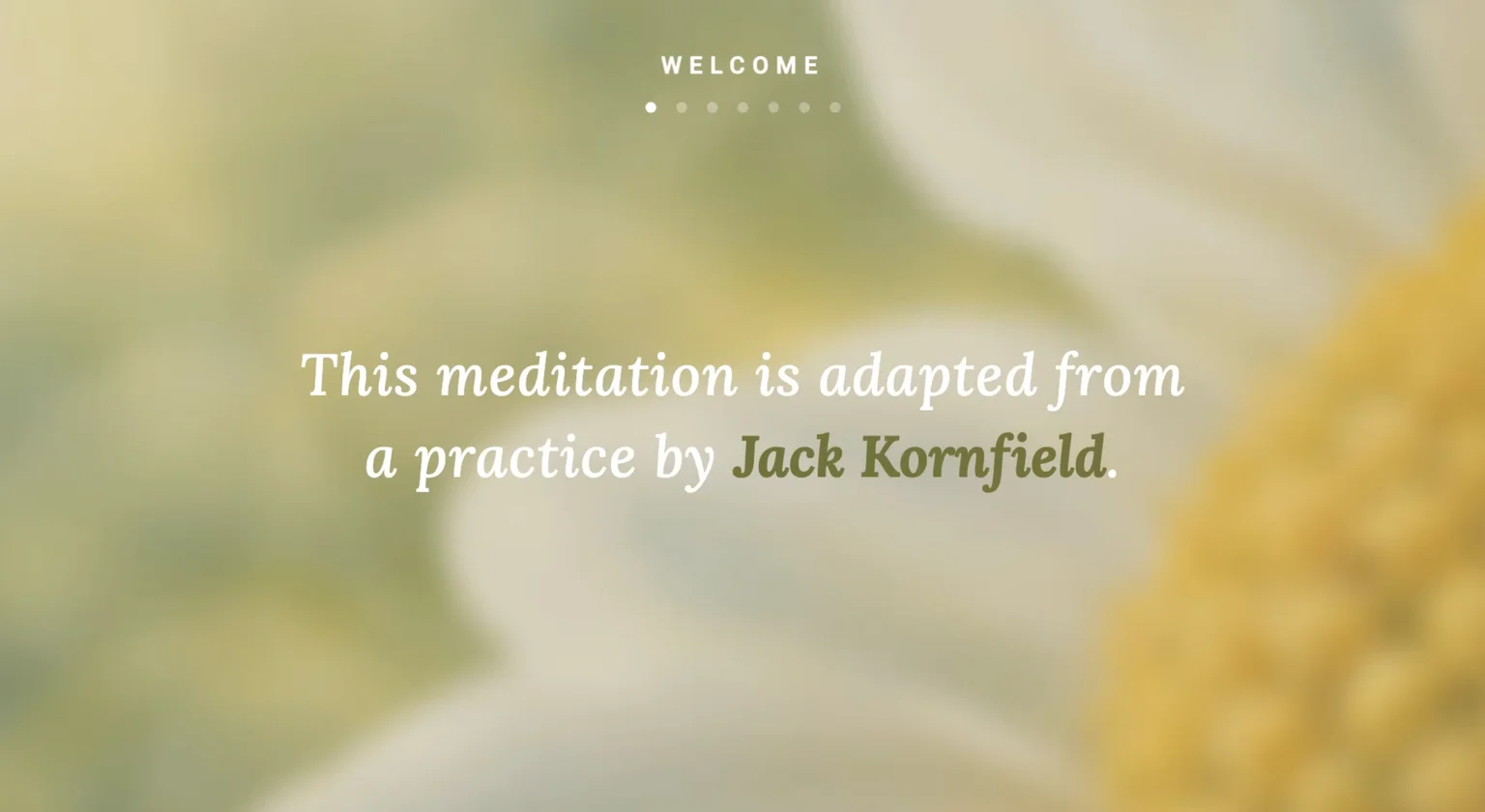
I recently adapted a few scripts by Jack Kornfield into playable meditations using Open Meadow. I'd like to share how that process unfolded, some tips I found useful along the way, and what practicing these meditations again brought up for me.
Jack Kornfield is one of the most famous and beloved meditation teachers of our time, and the tradition he helped bring to the West has been foundational in my own practice. After training as a Buddhist monk in Asia, he co-founded the Insight Meditation Society and Spirit Rock. His influence has reached me through many avenues, including other teachers and the wider world of insight meditation.
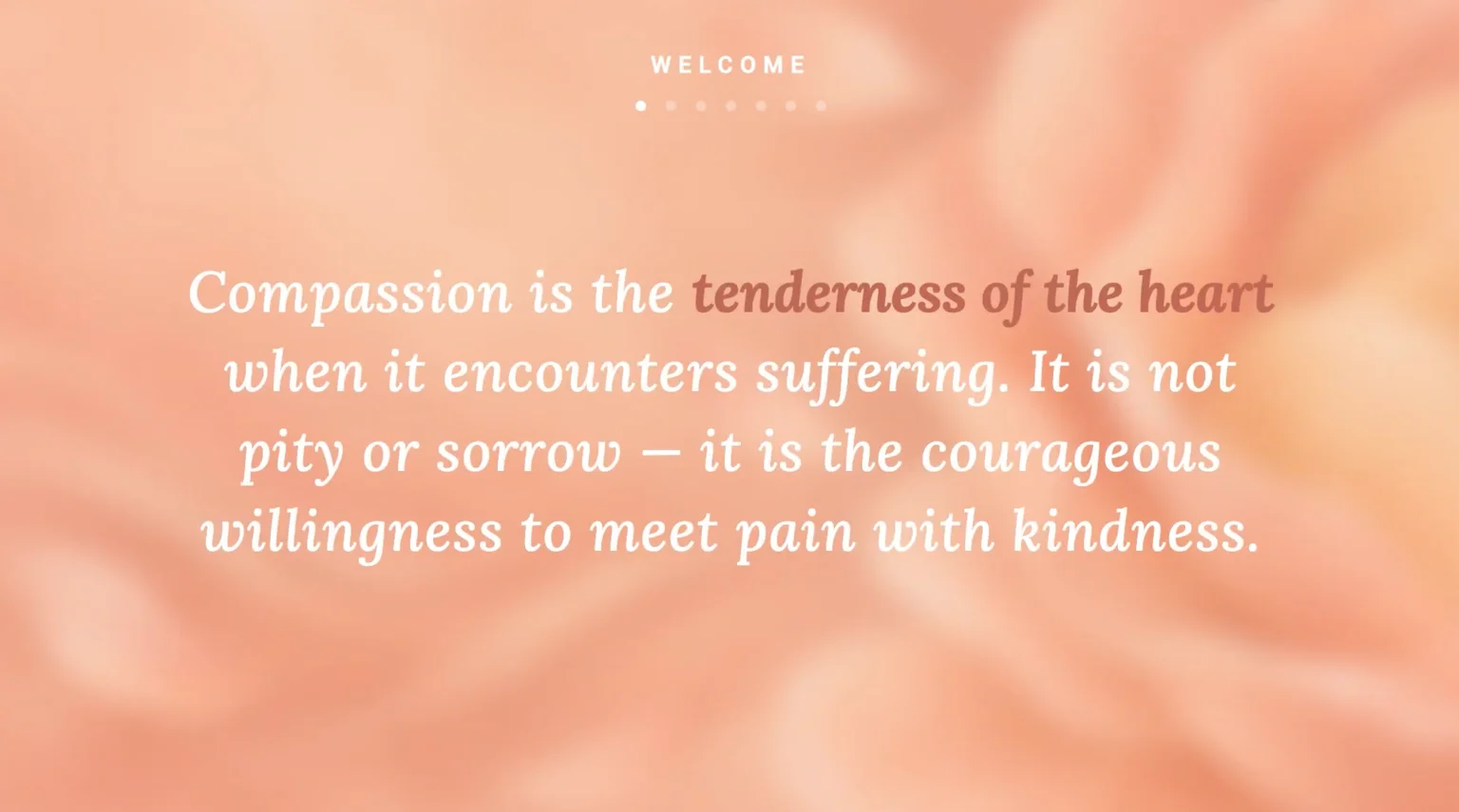
So I was happy to find that he had shared scripts for six foundational meditation practices on his website. Among them are compassion, forgiveness, and lovingkindness, heart practices that have been transformational in my own life.
Jack explicitly encourages people to adapt the scripts for their own practice and to share them with others. That felt like a perfect fit for Open Meadow, and a chance for me to reconnect with these practices myself.
Adapting the scripts
“A meditation script is not something to rush through—it is an invitation to rest in each phrase, to let the meaning settle into your body and heart. Adapt the language freely to suit your own voice and your students’ needs. The words are a doorway; the practice is what lies beyond them.”
For other meditations I've published on YouTube, I've often used ChatGPT or Claude to work on the scripts before bringing them into Open Meadow. This time, I wanted to see what I could create simply using Omi, our own chat assistant.
I opened a new conversation and explained what I wanted: adapt the practices to specific durations, with a short introduction explaining each practice and how to approach it. Creating all six in that conversation was surprisingly easy.
- MeHey Omi. I'd like to create a loving kindness meditation, adapting this script from Jack Kornfield. How about we try to make it a 10mn long meditation? [...]
- OmiI love this — a loving kindness meditation adapted from Kornfield is a beautiful thing to put out into the world. A 10-minute version with a 1-minute intro feels just right for a YouTube audience.
Reading Jack's scripts, I recognized that some were more like loose briefs, describing a practice and ways to deepen it rather than a single playable instance. Adapting them meant making editorial decisions. I wanted these versions to be accessible to beginners, so in lovingkindness, for example, I left out the variation involving a difficult person.
Listening and refining
“Leave generous pauses between instructions—at least five to ten seconds, and longer during the more reflective passages. Let your voice be warm, unhurried, and conversational rather than performative.”
Once I had the scripts, I found that different ways of reviewing them gave me different kinds of feedback. Reading let me imagine the practice, but I needed to synthesize a first version to hear how the voice and pauses actually worked. Much of what Omi generated already felt good.
A meditation has a sense of rhythm and a journey. I wanted the introduction to have almost no pauses, meeting the listener in an everyday state of mind. As the practice deepened, I wanted more silence. These exercises for the heart need room to unfold.
- MeNice! Ok, so in terms of pauses, I imagine the person listening with their headphones while doing the practice. I'd follow this guidance: - start the intro with no pauses, then gradually create more pauses as the practice deepens - increase pauses with depth, leaving appropriate moments of silence About the structure, how can we restructure it to follow the deepening curve I described?
I used the spaciousness slider to adjust the silence between spoken passages, then edited individual pauses where needed.
Adding background music changed how the pauses felt, so I listened again and adjusted the spaciousness. With sound between the words, I found it easier to stay with longer pauses. And after hearing some introductions a few times, I realized they were too long. I wanted a little teaching and guidance, but I also wanted to get into the practice.
- MeThis was so relaxing! I've played it while laying down, and felt super soothed! I chose soothing ocean waves as background and it really worked well.
Finally, I closed my eyes and practiced the meditations fully. That final review was really enjoyable. It felt like a confirmation: the music, the words, and the tone of the voice worked naturally together.
Pet time
I went outside to practice the walking meditation. After the walk, I started listening to the compassion meditation and met a neighbor's dog.
I'd met him before, but I was surprised by how attuned I felt to him this time. I noticed how anxious he seemed, how he was looking for reassurance. I hadn't really considered his suffering before, but listening to the practice, I felt my heart tuning into it. I spent almost the whole meditation petting him, feeling a deep sense of compassion for this living being.
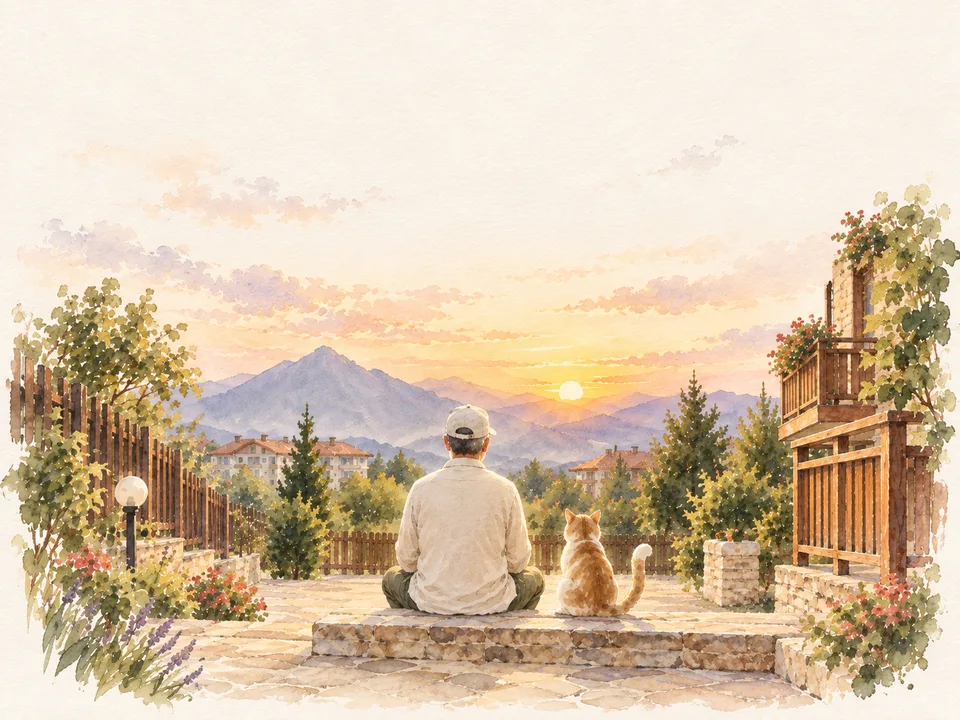
One evening, after creating most of the meditations, I was sitting outside at sunset, petting my neighbor's cat, and I noticed a tenderness still present in me, a sense of care and lovingkindness arising naturally as I stroked the cat.
Coming back to these practices through this work reminded me how much they tenderize my heart.
Creating as a practice
I thought about the pleasure I'd found in making them.
A few weeks earlier, I'd been working on a movement meditation with ChatGPT, trying rewrite after rewrite. I thought I knew what I wanted, but the language kept coming back full of LLM-isms. It didn't feel human, and I'd become quite frustrated.
Perhaps this time, trusting Jack's teachings and the app I'd built had helped me ease out of editing and let myself feel the practice.
I wondered if creating a meditation could itself be a practice. We put some of our taste and heart into it, and that takes effort: making choices, noticing what doesn't feel right, trying again. Perhaps there was room for that same gentleness within the effort, too.
When we create with AI, how can we bring our own patience, presence, and heart to the process?
And in building Open Meadow, I wondered, how could I support the experience of creating a meditation, as well as the meditation itself?